What Is Dry Skin?
A Simple, Helpful Explanation
Dry skin occurs when the skin loses moisture and feels rough, tight, flaky, or uncomfortable. Unlike other skin concerns, dry skin is usually more about lack of hydration and barrier support, not oil imbalance or irritation.
Typical signs include:
- Tightness after washing
- Patchy or flaky texture
- Roughness
- Fine lines appearing more visible
- Dull-looking skin
- Sensitivity to cold or wind
Dry skin is extremely common and can affect anyone at any age, including children.
Dryness is not inherently harmful, but caring for it improves comfort, appearance, and skin barrier support.
What Causes Dry Skin? (USA/Europe-Specific Factors)
Dry skin can be influenced by many factors. Based on SERP and Reddit/Quora discussions, these are the most-searched causes:
1. Cold or Low-Humidity Weather
USA and European winters can be very dry. Cold air holds less moisture, and indoor heating dries the air even further.
2. Air Conditioning & Central Heating
These systems lower indoor humidity, causing moisture to evaporate from the skin faster.
3. Hot Showers and Overwashing
Long hot showers may feel relaxing, but they can dry out the skin.
4. Strong Soaps and Harsh Cleansers
Cleansers with strong surfactants can remove natural skin oils.
5. Aging
As people age, their skin naturally produces less moisture, making dryness more common.
6. Frequent Hand Washing
Especially common among healthcare workers, parents, teachers, and people working in hospitality.
7. Environmental Sensitivity
Wind, sun exposure, and saltwater can also contribute.
8. Lifestyle Factors
- Low water intake
- High caffeine or alcohol consumption
- Stress
- Not moisturizing consistently
Dry skin often appears due to a combination of multiple small habits—not one big cause.
Can Dry, Damaged Skin Be Repaired?
Yes — dry, damaged skin can usually be improved with consistent care.
The key is focusing on moisture, barrier support, and gentle habits.
While every person’s skin is unique, the following general principles help support dry skin recovery:
1. Moisturizing Regularly
Applying a gentle moisturizer once or twice daily helps restore comfort and hydration.
2. Using a Gentle Cleanser
Switching from strong soaps to mild, hydrating cleansers can make a noticeable difference.
3. Avoiding Hot Water
Lukewarm water helps reduce dryness.
4. Protecting Skin From Weather
Scarves, gloves, hydrating lotions, and lip balms help prevent dryness caused by wind and cold.
5. Choosing Barrier-Supporting Ingredients
Ingredients frequently recommended in skincare include:
- Glycerin
- Ceramides
- Hyaluronic acid
- Squalane
- Panthenol
- Oat extract
These ingredients help skin maintain hydration.
6. Consistency Over Intensity
Skin usually responds best to small daily habits, not occasional heavy treatments.
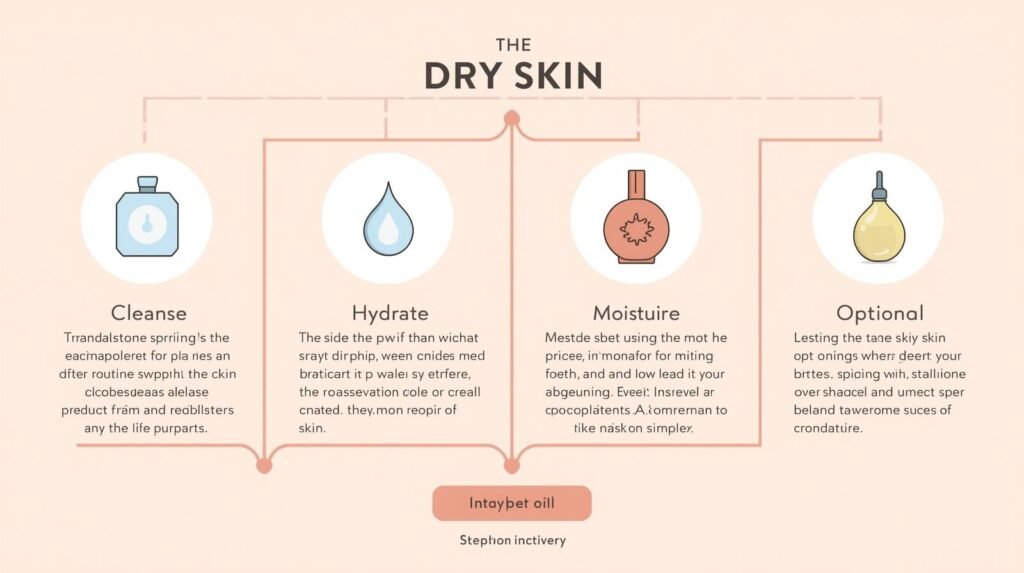
How Do You Fix Dry Skin? A Practical Step-by-Step Routine
This routine is designed for beginners and experienced skincare users across the USA and Europe.
Step 1 — Cleanse Gently with Lukewarm Water
Choose a mild, non-stripping cleanser. Avoid strong foaming cleansers or bar soaps if they feel drying.
Tips:
- Wash for 20–30 seconds
- Use lukewarm water
- Avoid overwashing
Step 2 — Apply Moisturizer While Skin Is Slightly Damp
This helps lock in hydration.
Look for textures like:
- Creams
- Lotions
- Balms
Choose what feels most comfortable for your skin type.
Step 3 — Layer Hydration if Needed
Some people benefit from:
- Toners
- Essences
- Hydrating serums
These help add extra moisture before applying cream.
Step 4 — Use Oils (Optional)
Oils help seal in moisture. Apply after cream, not before.
Step 5 — Protect Skin Daily
In daytime routines, many people in skincare communities use sunscreen to prevent dryness caused by sun exposure.
Step 6 — Adjust Your Environment
Humidity plays a big role in dry skin.
Consider:
- Using a humidifier
- Avoiding overly hot showers
- Wearing protective clothing in winter
Which Oil Is Best for Dry Skin?
Many USA and European users prefer oils that feel lightweight, non-greasy, and comfortable.
Popular options discussed in skincare forums include:
1. Squalane
Lightweight, fast-absorbing, and suitable for most skin types.
2. Jojoba Oil
Often described as similar to the skin’s natural oils.
3. Sweet Almond Oil
Gentle and commonly used for body moisturization.
4. Rosehip Oil
Light, easy to layer, and popular in nighttime routines.
5. Argan Oil
Known for a rich yet non-heavy texture.
Each oil feels different, so choosing based on comfort is important.
How Do You Treat Dry Skin in Children?
Dry skin in children is common, especially in winter or after swimming.
Here are gentle, caregiver-friendly steps (non-medical, practical guidance):
1. Shorter Bath Time
Use lukewarm water instead of hot water.
2. Gentle, Fragrance-Free Soap
Only use soap on areas that need cleansing.
3. Moisturize Immediately After Bathing
Apply lotion or cream while the skin is still slightly damp.
4. Choose Soft Clothing
Cotton clothing is usually more comfortable than rough fabrics.
5. Avoid Strong Detergents
Many families use free-and-clear detergents to reduce irritation.
6. Keep Skin Hydrated During Winter
Dry air increases moisture loss.
7. Be Consistent
Routine is more important than products.
Daily Routine for Dry Skin (USA/EU Climate-Friendly)
Below is a simple routine designed for typical American and European weather conditions.
Morning Routine
- Gentle cleanser or water rinse
- Hydrating toner or essence
- Lightweight moisturizer
- Sunscreen (outdoor use)
Night Routine
- Gentle cleanse
- Hydrating serum or lotion
- Nourishing cream
- Optional oil layer
Table: Common Ingredients & Their Benefits for Dry Skin
| Ingredient | What It Helps With | Texture | Notes |
|---|---|---|---|
| Glycerin | Hydration | Lightweight | Very common in moisturizers |
| Ceramides | Barrier support | Medium | Good for nighttime |
| Hyaluronic Acid | Moisture balance | Light | Best on damp skin |
| Squalane | Comfort & softness | Light | Suitable for most users |
| Shea Butter | Nourishing | Rich | Ideal for very dry areas |
| Oats | Gentle comfort | Creamy | Popular for sensitive skin |
Pros & Cons of Different Dry Skin Approaches
Pros
- Simple routines can be very effective
- Many budget-friendly options available
- Works for adults and children
- Flexible routines for any lifestyle
Cons
- Results require consistency
- Some people may need seasonal adjustments
- Strong cleansers can delay progress
- Dry climates may require extra care
Real-Life Examples from USA & Europe
Example 1: Cold Climate (Germany, Norway, Canada)
People often experience dryness due to low humidity and indoor heating. Richer creams are common here.
Example 2: Dry Climate (Arizona, Spain)
Lightweight hydrating serums layered under moisturizers work well.
Example 3: Urban Climate (New York, London)
Pollution and indoor AC make gentle cleansing important.
Conclusion
Dry skin is common, manageable, and responsive to simple, consistent care. Whether your skin feels rough from winter weather, frequent washing, or daily lifestyle habits, adopting a gentle routine often helps improve comfort and appearance. Small habits—like using lukewarm water, moisturizing on damp skin, and choosing barrier-friendly products—make a meaningful difference over time.
FAQs
- Can dry, damaged skin be repaired?
Yes, with consistent care and gentle moisturizing routines. - How often should I moisturize dry skin?
Usually once or twice a day works well. - Is hot water bad for dry skin?
Hot water may dry the skin further. - Is dry skin common in winter?
Yes, colder climates have lower humidity. - Which oil is best for dry skin?
Squalane, jojoba, and argan oil are popular choices. - How do I fix dry skin fast?
Increase hydration, use gentle cleansers, moisturize daily. - Can dry skin occur in summer?
Yes, air conditioning can cause dryness. - Do children get dry skin easily?
Yes, especially in winter or after swimming. - Is exfoliation good for dry skin?
Gentle exfoliation occasionally — not daily. - Does drinking more water help?
Staying hydrated supports overall comfort. - Can diet affect dry skin?
Lifestyle habits may influence hydration levels. - Should I use body oils?
Many people find them helpful after showers. - How do I protect hands from dryness?
Moisturize after washing and use gloves in winter. - Can dry skin cause tightness?
Yes, this is a common sign. - Is it normal for dry skin to feel itchy?
Yes, dryness sometimes feels uncomfortable. - Do I need different routines in summer and winter?
Many people adjust textures seasonally. - Is dry skin genetic?
Family tendencies may play a role. - Can dry skin look dull?
Yes, dryness can reduce natural glow. - Should I avoid strong soaps?
Many people with dry skin prefer gentle cleansers. - Is dry skin permanent?
Not necessarily—proper habits often help.